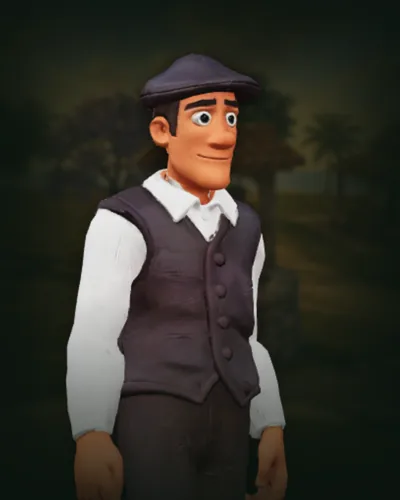
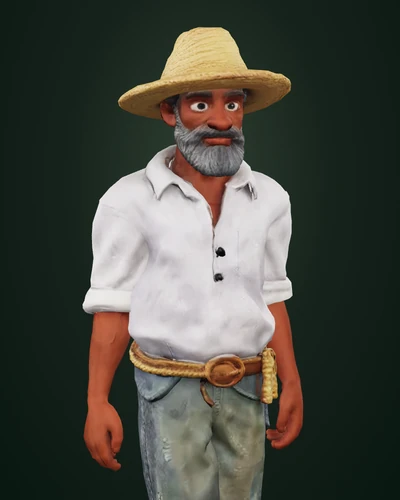
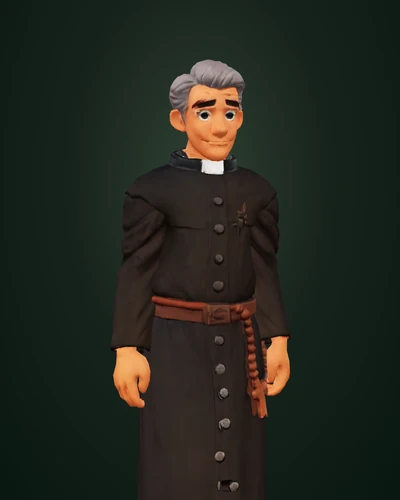
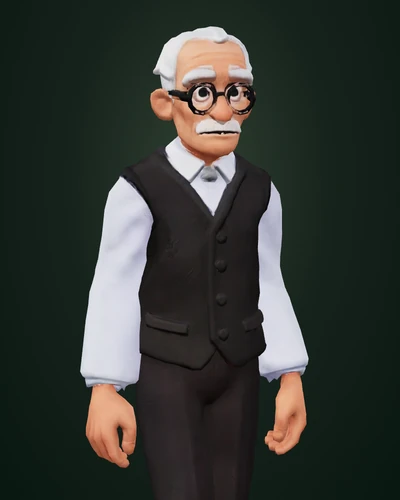
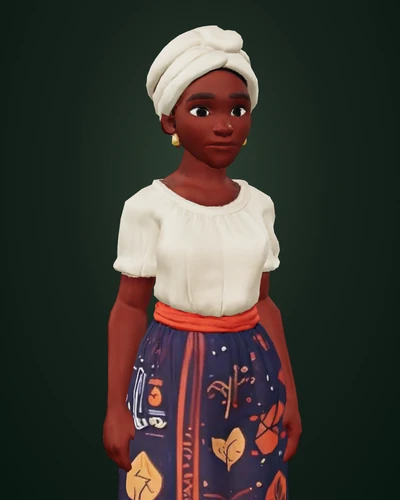
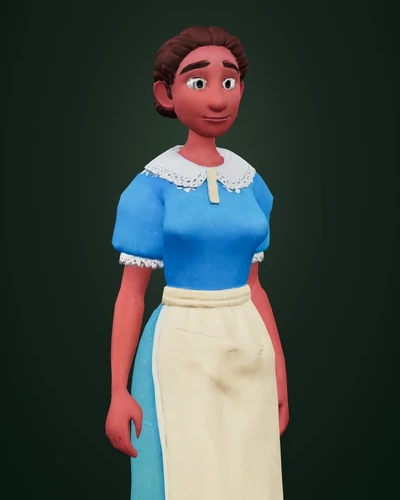
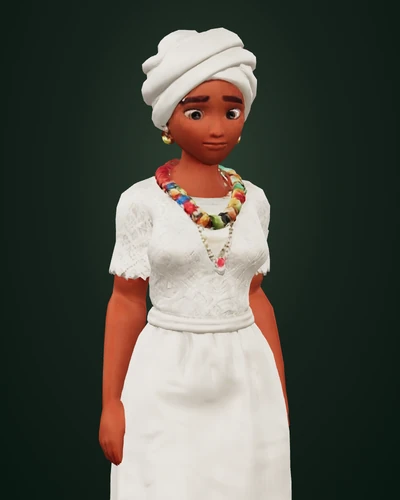
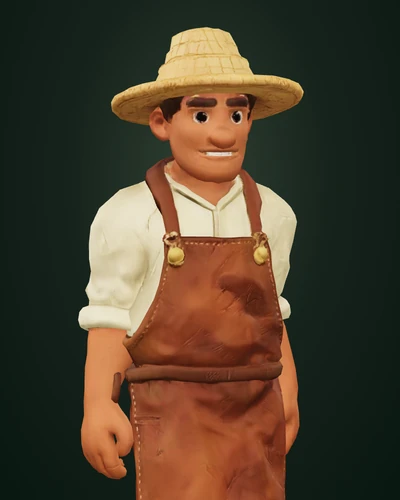
A great-great-grandson gives the valley back to the man who lived in it.
To Pedro Nolasco da Encarnação, my great-great-grandfather, who lived in the Recôncavo Baiano in 1887, one year before the abolition of slavery in Brazil.
A dedication
To Pedro Nolasco da Encarnação, my great-great-grandfather, who lived in the Recôncavo Baiano in 1887, one year before the abolition of slavery in Brazil.
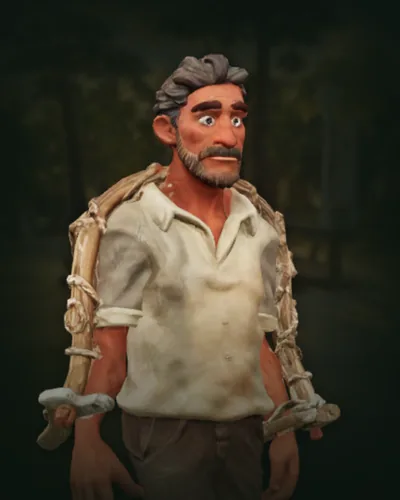
This world is a gift of living memory: here he was given form, voice and movement in a valley you can walk into — and a story in which he stands up to the Matinta Pereira to free those held captive.
A gift of Afro-Brazilian resilience, ancestry and folklore, from a descendant born a hundred years later.
— Ramon Santana Santos, author of Batalha de Mitos
— Ramon Santana Santos, author of Batalha de Mitos
Great-great-grandparentsPedro Nolasco da Encarnação and Honorata de Jesus
Great-grandparentsIsaura de Jesus and Marcos da Paixão
GrandparentsAltamira de Jesus and Antônio de Santana
ParentsOdete de Jesus Santana and Paulo Costa Santos
AuthorRamon Santana Santos
In bold, the line that leads to Pedro: Ramon, his mother Odete, his grandmother Altamira, his great-grandmother Isaura and his great-great-grandfather Pedro. Beside each, the person they married.
Work in progress
What fits into 25 days and three people
Games and website, counted from the history of all three repositories.
25days of developmentSep 21 to Oct 15, 2026
1,017commits across three repositoriescount excludes merge commits
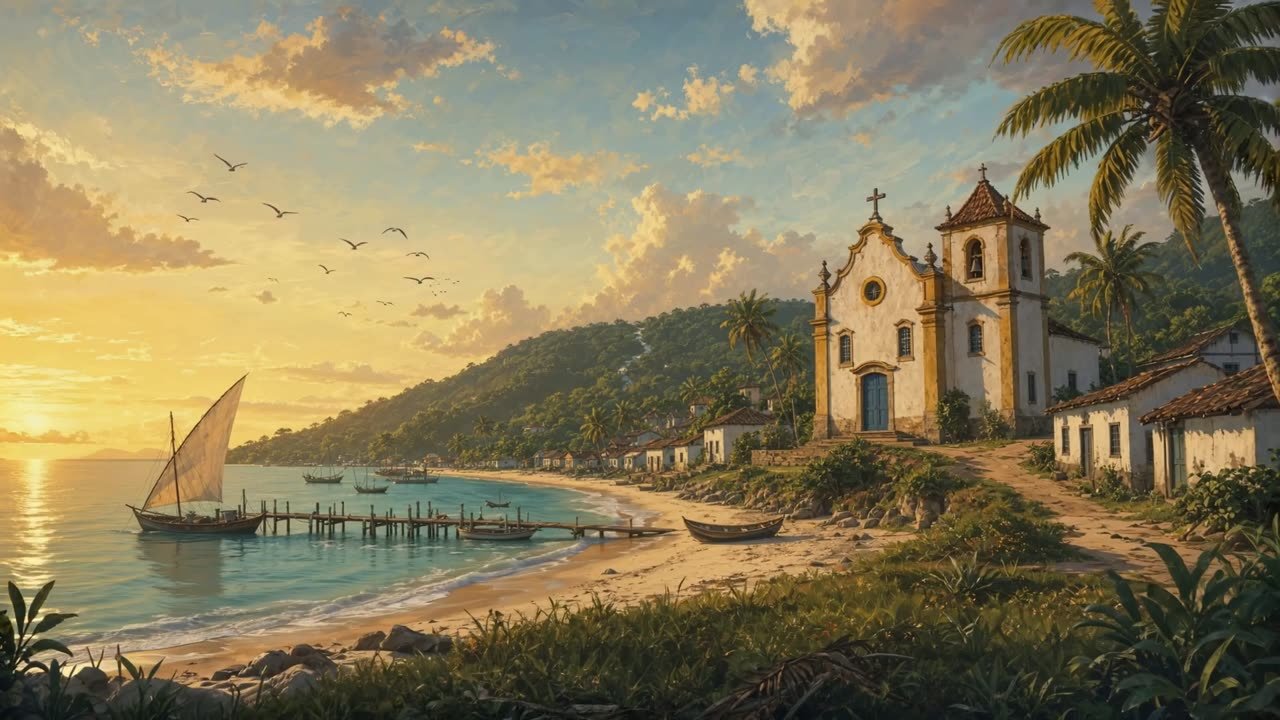
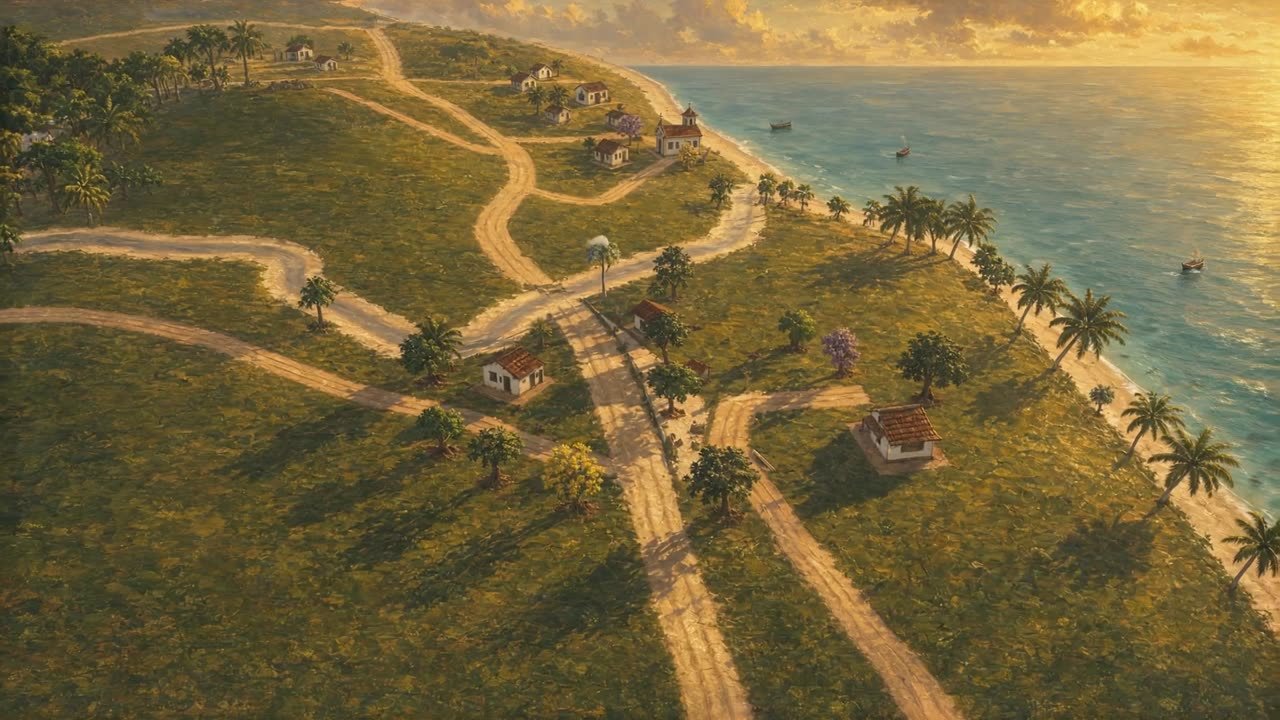
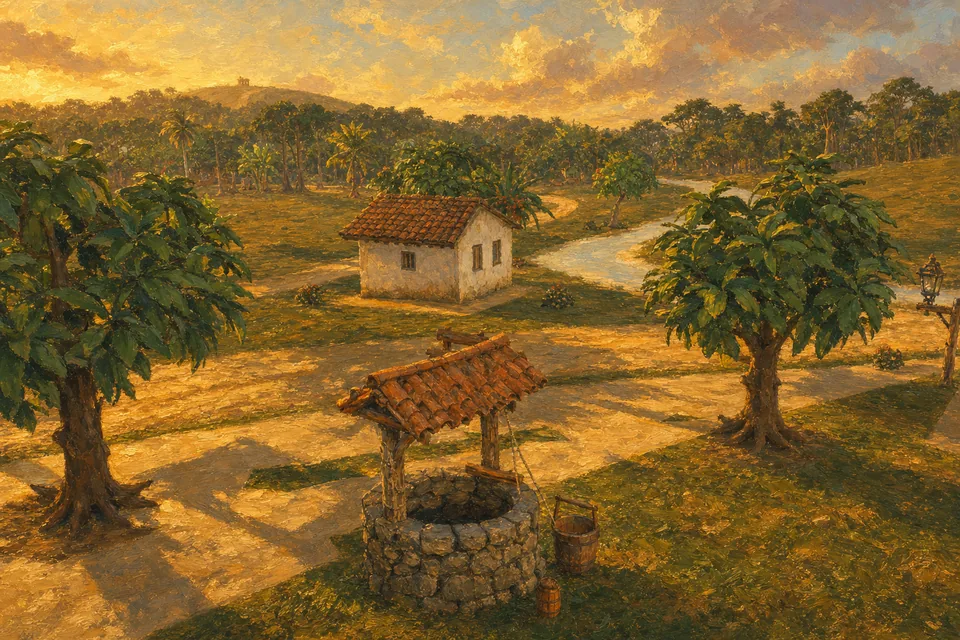
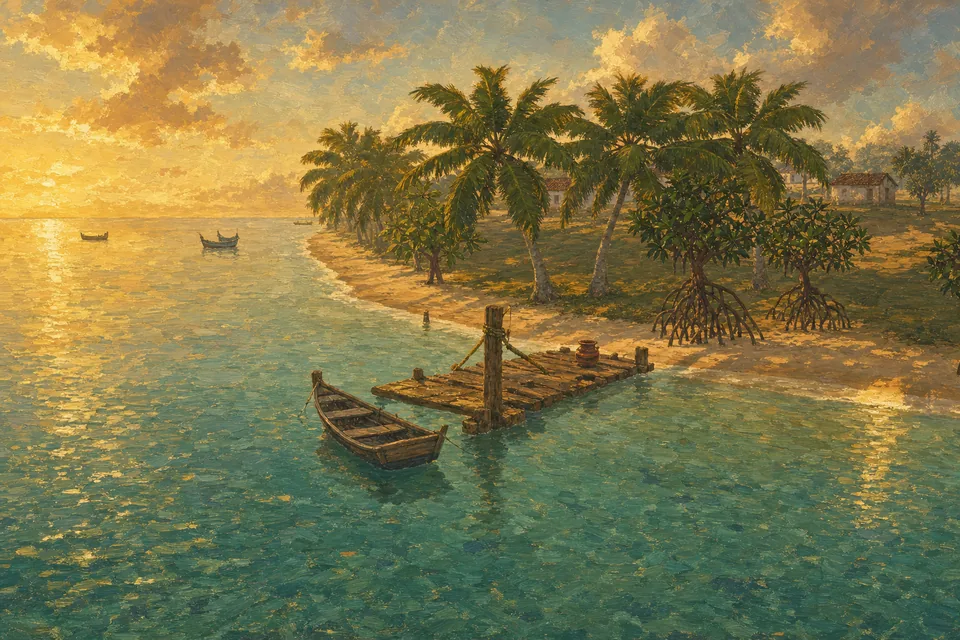
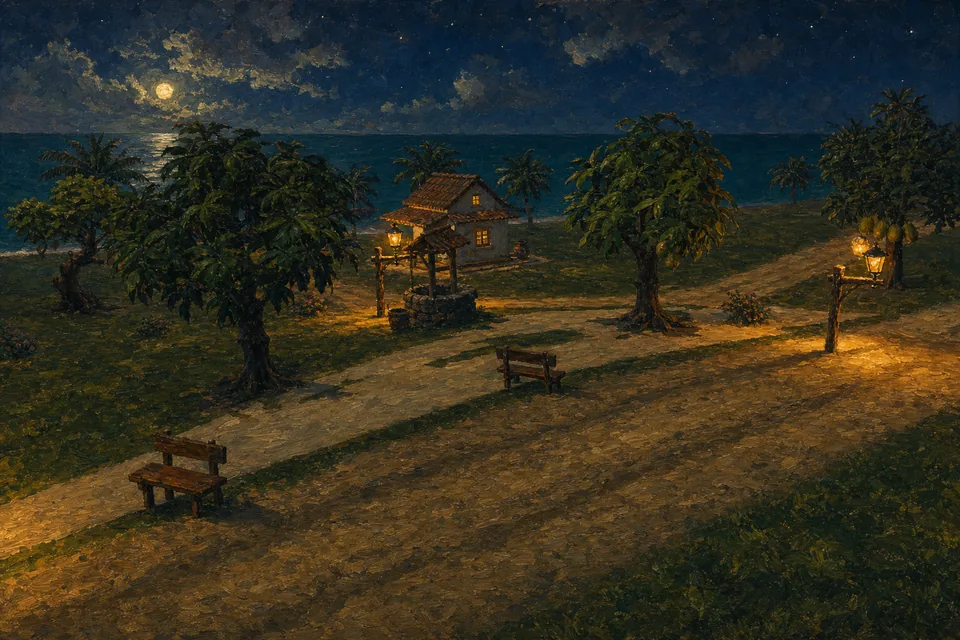
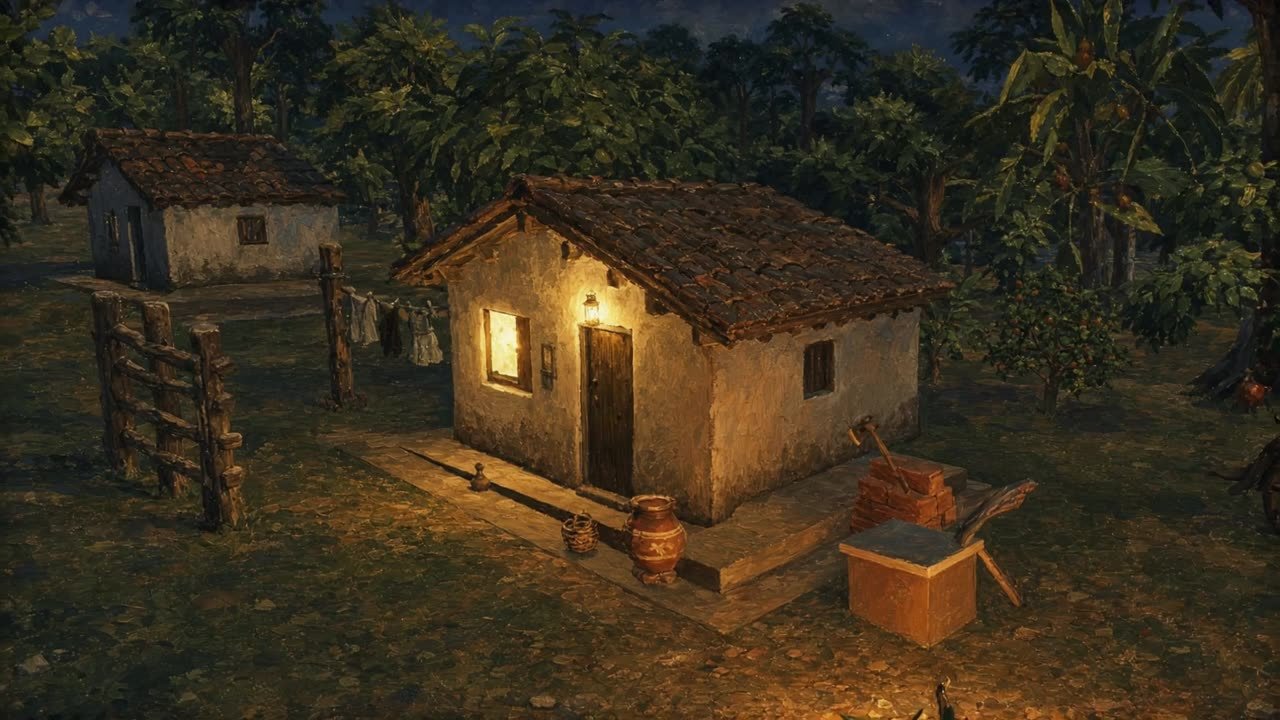
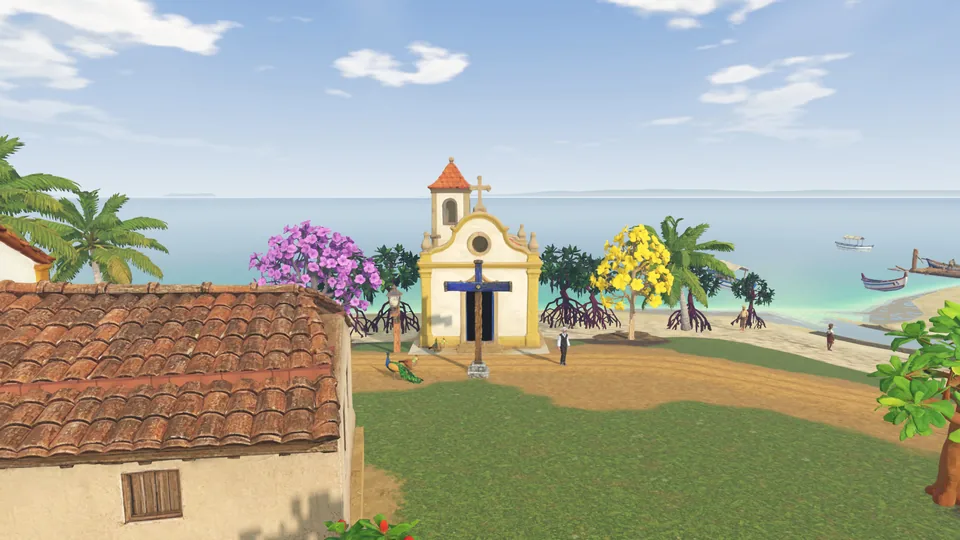
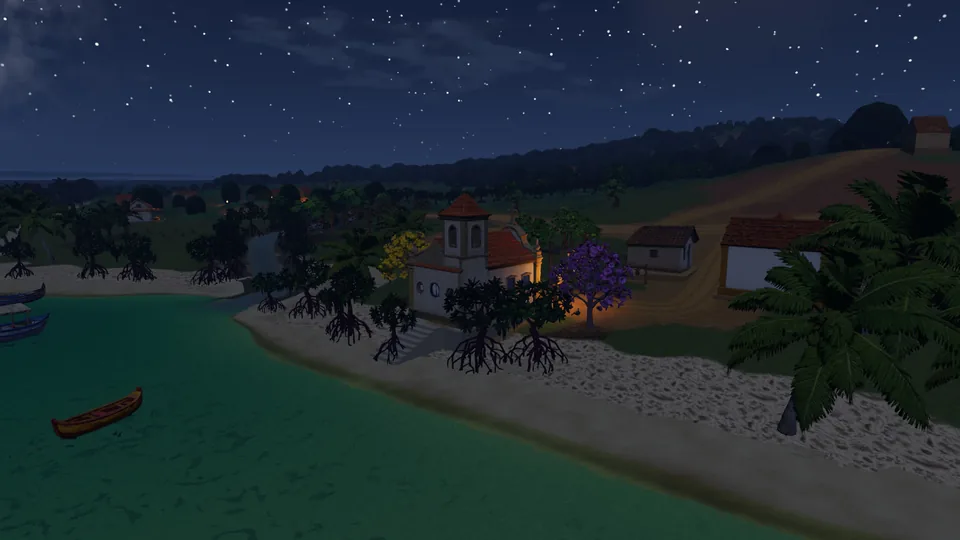
A fishing village of the Recôncavo, between creeks, on the shore of the Baía de Todos os Santos and surrounded by Atlantic Forest. In 1887 the village lived by mariscagem, fishing from canoes and saveiros, manioc plots and flour houses, with the decline of the neighboring sugar mills as its backdrop.
The sea follows the Brazilian Navy's nautical chart, and the tide comes in and goes out.
3,117 trees planted across the valley, from backyard mango trees to mangrove at the water's edge.
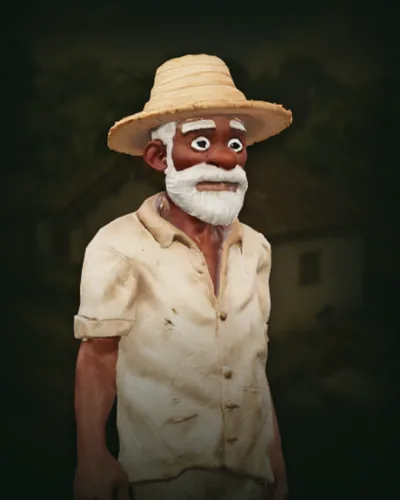
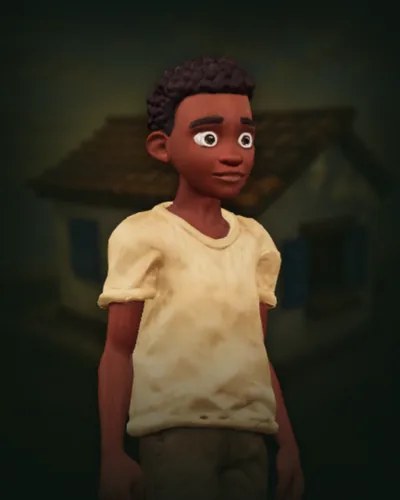
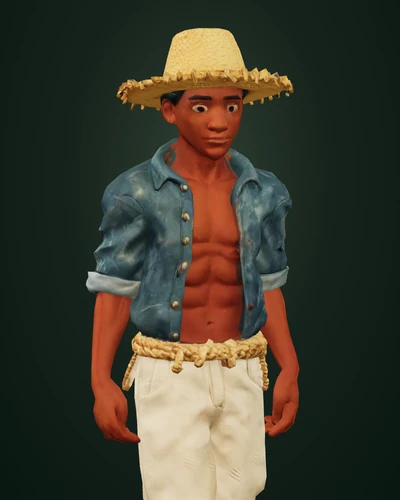
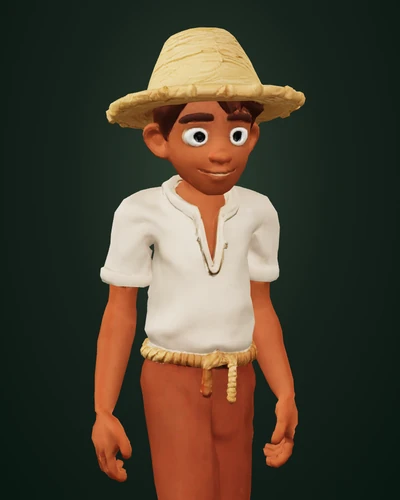
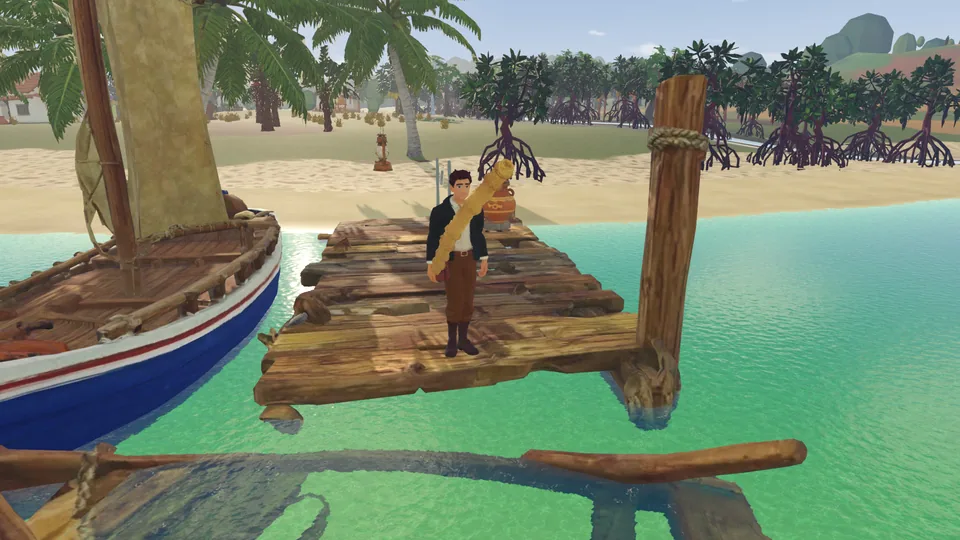
The valley's guide: he accompanies the player, hands out the opening quests and is the only villager who swims (swim clip).
The prompt used in Tripo
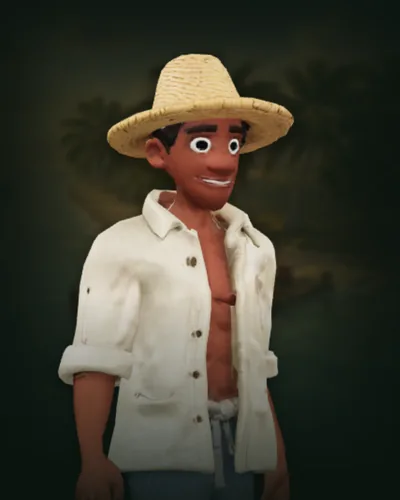
Pedro, a young Afro-Brazilian fisherman about 25 years old from Bahia in 1887, standing in T-pose with arms straight out: straw hat, open rough cotton shirt, rolled linen trousers, barefoot, friendly face, full body character.
Recorded inside the game
One minute walking through the village
No editing: the player's camera crosses the square, talks to the villagers and watches night fall.
Pinned-up cordel poems, trees with field notes and creatures that warn you before they bite
The game's almanac keeps what the player finds: 26 trees, 10 cordel poems, 12 gravestones, signs and myth cards.
The False Weight
unsigned chapbook
A shopkeeper had a weight of lead, but hollow inside, it weighed half an arroba and he charged a whole one, and then some. He died, and that scale of his tips on its own, just a little.
On the general store counter, under the scale60 réis
Tree · For farming and crafts
Oil palm (dendê)
Elaeis guineensis
A palm that came from the coast of Africa along with the enslaved people. The bunches of small red nuts grow in the middle of the crown.
Creature · in the oil-palm forest and at the foot of the quarry
Collared peccary
A wild pig with a pale collar. It travels in small herds and isn't afraid of people: it's in a hurry.
It warns before it bites. It stops, lowers its head, and its body lightens; whoever gets out of the way then gets out whole.
Three blows of the machete bring one down. It leaves meat, which goes on the embers.
When one falls, the forest takes 3 days to put another in its place.
Pedro is keeping something of his father's for whoever brings down ten.