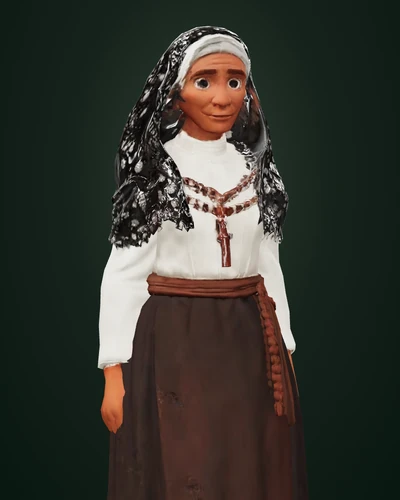
A bit of small talk · Dona Filó
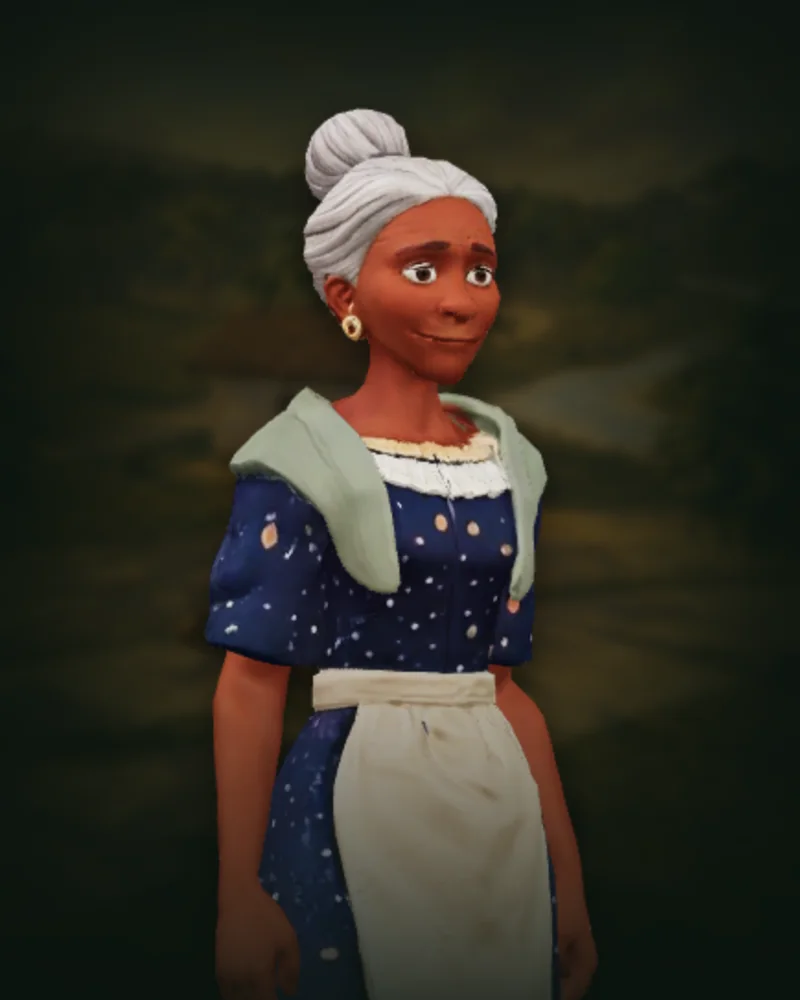
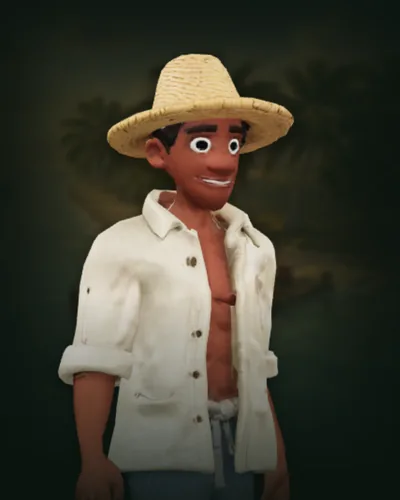
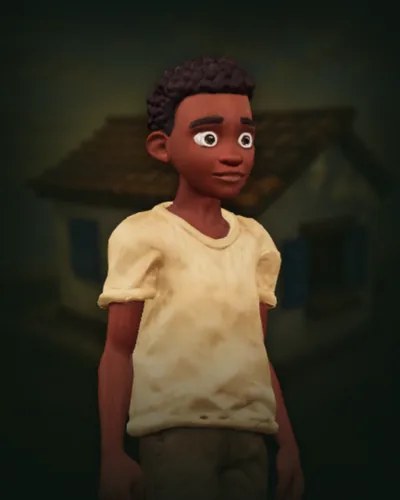
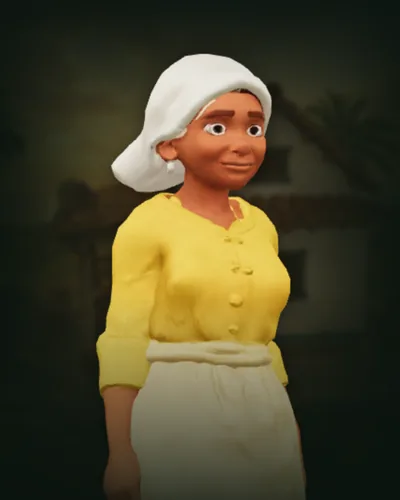
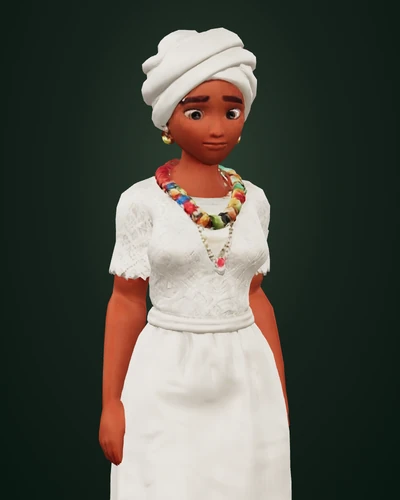
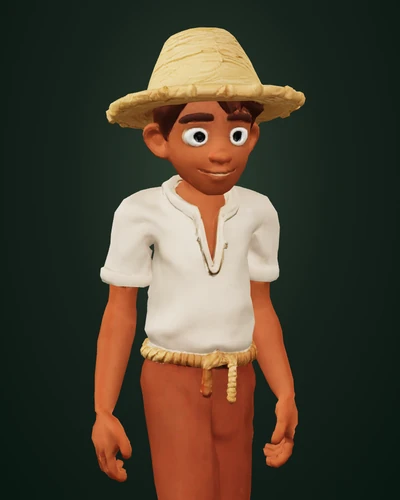
Come closer, son. Filó. Tonho’s mother.
I sit here at the door because from here I can see the road. That’s the way he comes up from the beach when the tide is done.
His father went down one day and didn’t come back up. Since then I don’t sleep before I see the boy at that bend.
Did he tell you about the debt? He told you it’s medicine, and didn’t tell you whose.
It was mine. I spent two months in bed last winter and he sold what he didn’t have to get me back on my feet.
I tell him it wasn’t worth it. He says it was. We argue about it every week and neither of us gives in.
So now the ground is yours and we’re still here. That’s fine.
I’m no good for the field, son, look at me. But I’ve got a hand for flour, the best in the village.
Put me in the flour house and you’ll see what good starch is.
My husband used to say the river charges a toll on whoever crosses in a hurry.
The bridge fell on a flood night, with nobody on it. I think it was a warning, and a cheap one.
My son read me that invitation twice, and both times I didn't like it.
A party that invites everybody and doesn't say the name of who's inviting isn't a party. It's a net set out.
I'm old and I've seen nets set out before. You're young, you'll go anyway. Just don't go alone.
I’ve noticed you slow down when you pass here, even when you don’t say anything.
Keep doing that, son. Old people like to be seen. It’s what we lack most.
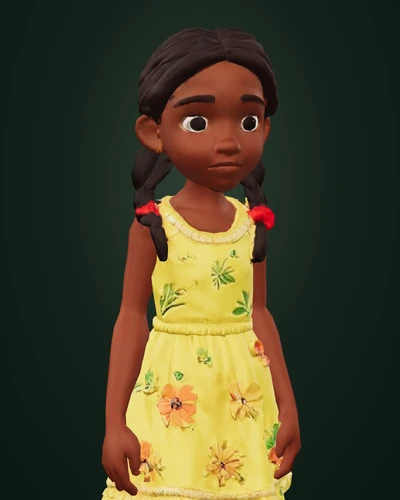
My grandson runs past, and he’s a good boy. But he runs past.
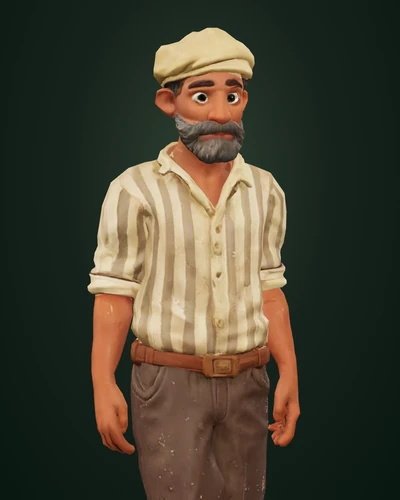
His name was Firmino. Nobody says that name in this house anymore.
Tonho doesn’t say it because he thinks it hurts me, and I don’t say it because I think it hurts him. So sixteen years go by without anyone saying Firmino.
So I’ll say it to you, who has nothing to do with it: Firmino. There.
Now I’ve said it today, and that’s enough for today.